


If you’re reading this, has your emergency notification system already had issues? Hopefully, you’re lucky and nothing has gone wrong yet. But you’re likely here because you’ve seen the warning signs and need an answer about what to do next.
Well, what you’re trying to avoid is when a message doesn’t reach the right people at the right time. It could have been caused by a failed device or an unclear emergency workflow, but worst of all, there’s silence when seconds matter most. That’s the reality when an emergency alert system is stitched together from aging hardware, one-off apps, and guesswork.
With the stage now set, this post unpacks what can break during critical events, the standards you’re expected to meet, and why organizations across education, manufacturing, warehousing, and retail are moving to Terminus Cloud Control™, a cloud-based emergency communication platform that unifies alerts and device management. Say goodbye to struggling to get it right.
Your Emergency Alert System Failed. Now What?
When notifications fail, it’s usually not because your people didn’t try or you don’t have quality equipment. It’s because the system wasn’t built to perform under pressure at a moment’s notice:
-
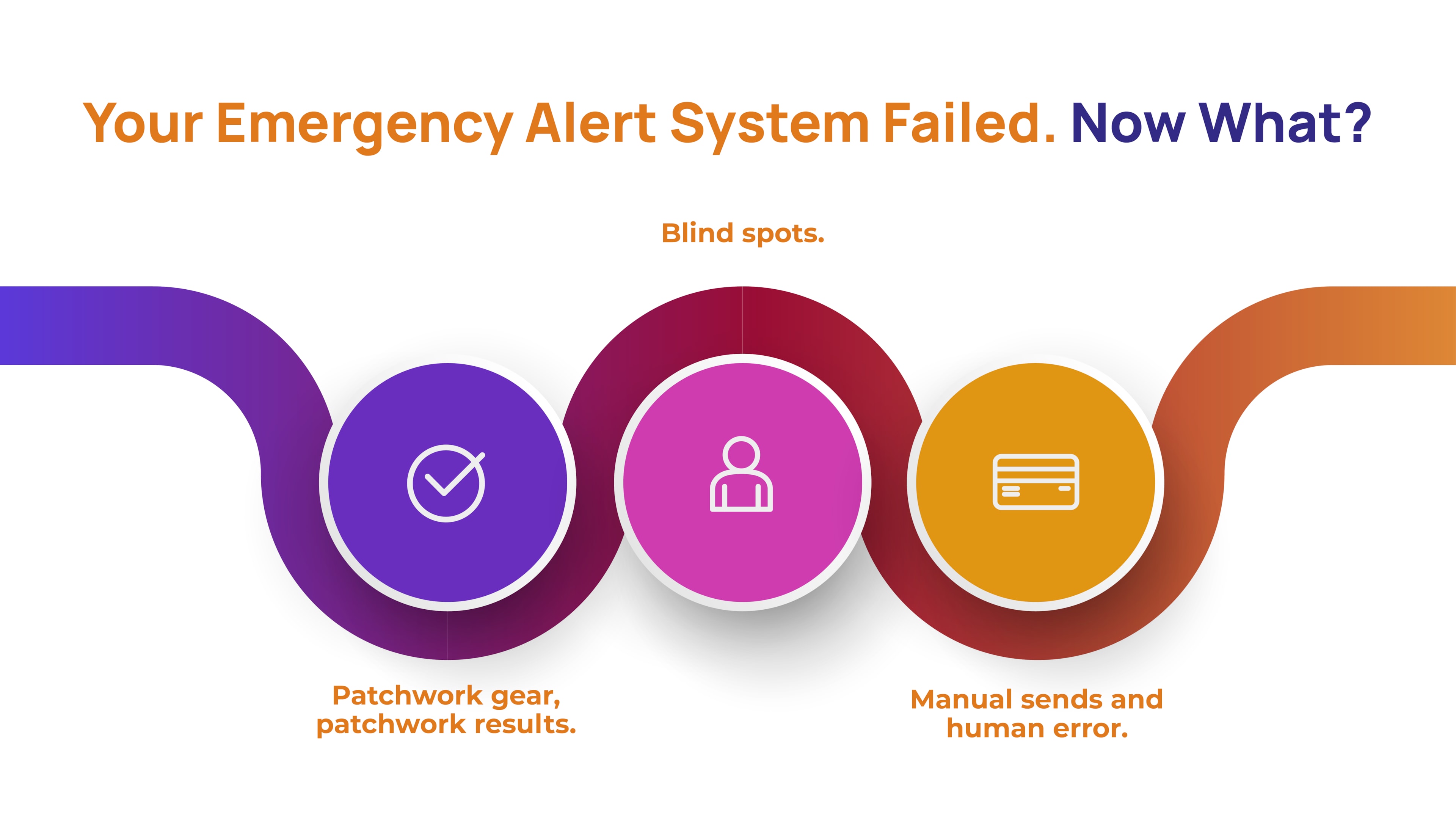
Patchwork gear, patchwork results. Different buildings (or stores) run different speakers, amps, and workflows. That inconsistency creates delays and errors.
-
Blind spots. Many sites only discover failures when someone complains after the fact. Without device health visibility, there’s no way to prevent the next outage.
-
Manual sends and human error. Dialing overhead pages or rushing through scripts introduces mistakes when you can least afford them.
Emergency Response Standards Matter
-
OSHA requires employee alarm systems to warn of emergency action and to be maintained and tested consistently across facilities.
-
NFPA 72 governs the design and notification strategies for fire alarm and emergency communications in many facilities and campuses.
-
Alyssa’s Law is accelerating K-12 adoption of silent panic alert technology tied directly to first responders.
Bottom line: if your emergency alert system can’t prove delivery, can’t demonstrate device health, and can’t be centrally managed, your level of risk multiplies.

How Organizations Regain Control of Their Mass Notification Systems
The fastest path back to reliability is a single command center that handles both emergency and routine communications, as well as the devices that deliver them. That’s exactly what Terminus Cloud Control™ does:
-
One cloud dashboard for lockdowns, severe weather, all-call, bells, and scheduled announcements across all sites.
-
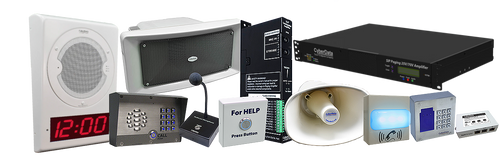
Real-time device health and diagnostics for every CyberData speaker, paging/intercom, and call/alert button, so you find and fix issues before they become incidents.
-
Remote firmware and configuration pushes to keep every location aligned.
Because Terminus is built to manage CyberData endpoints and non-CyberData equipment alike, organizations avoid surprises and integration sprawl. That’s a huge shift from parts-and-pieces to a dependable emergency communication platform.
“Do We Have to Rip and Replace?” Absolutely Not
Most campuses and enterprises run a mix of legacy 25V/70V analog speakers and newer IP endpoints. You can modernize without tearing out what still works:
-
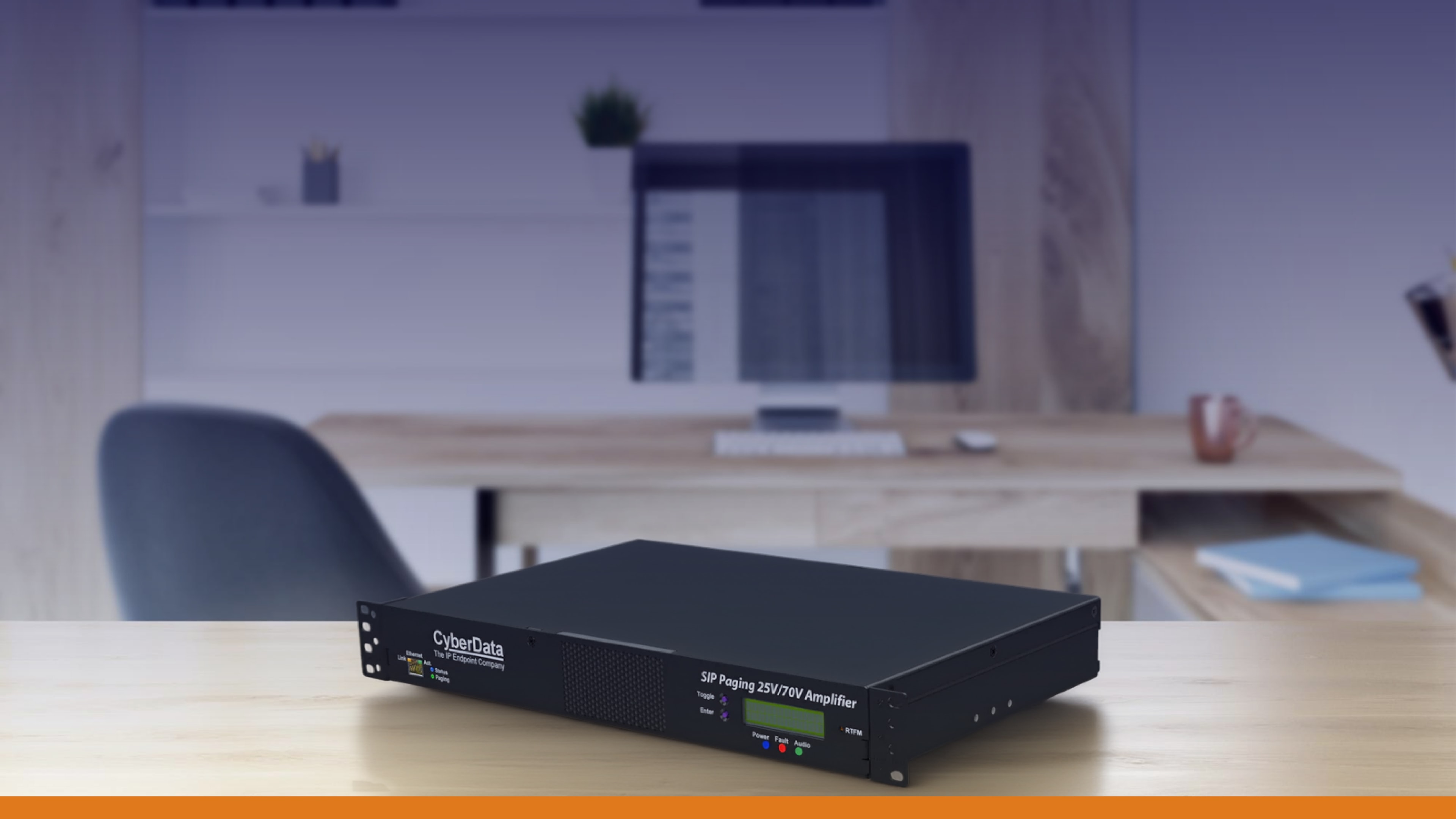
Bridge analog to IP with CyberData’s SIP Paging 25V/70V +4 Hybrid Amplifier (011598), drive hundreds of analog speakers, participate in IP multicast, and use a built-in calendar scheduler for bells and prerecorded messages. Security options include HTTPS, TLS 1.2/SRTP.
-
Add IP endpoints where they help most (new zones, visual strobes, vestibules) while keeping legacy coverage elsewhere.
This hybrid path is how multi-site retailers fixed promo chaos and safety delays with central schedules from HQ, local control at stores, and fewer truck rolls thanks to device diagnostics.

Proof CyberData Emergency Mass Notification Works: A Real-World Rollout at Camping World
At Camping World, a three-person facility tech team has been deploying CyberData’s hybrid solution at a pace of 3–5 installs per week, with zero downtime reported during phased rollouts. Key wins have included “single-box” simplicity, custom relay behavior for shop speakers, and streamlined provisioning.
Check out the full case study with Camping World

What to Look for in an Emergency Communication Platform
1) Centralized, Role-Based Control
You can do everything from triggering, scheduling, and auditing alerts from a single browser. Standardize templates for lockdown, shelter-in-place, weather, and all-call. This supports OSHA/NFPA alignment and faster response.
2) End-to-End Device Visibility
Without up-to-the-minute device health data, you’re flying blind. Pick a platform that alerts you to status changes, overheating, or connectivity issues and lets you update firmware remotely.
3) Hybrid Alert and Warning Compatibility (Analog + IP)
You should be able to reuse 25V/70V speakers and add IP endpoints only where needed. CyberData’s hybrid amplifier and broad SIP endpoint catalog make phased upgrades practical.
4) Reliability You Can Budget Around
CyberData now backs devices with an industry-leading 5-year warranty and has rolled out new, lower pricing, helping to reduce the total cost of ownership on multi-year, multi-site deployments.
5) Expert Design Help Up Front
Upload your floor plans and get device placement, a ready-to-order BOM with MSRP, and network diagrams for free. This lowers project risk and speeds rollout.

Introducing Terminus Cloud Control™ Mass Communication
Terminus Cloud Control™ from CyberData brings everything together:
-
Manage emergency and non-emergency notifications from one modern UI.
-
Monitor and control CyberData VoIP endpoints (speakers, intercoms, call/alert buttons) in real time.
-
Get proactive diagnostics and reporting to catch issues before they impact safety or operations.
CyberData pairs this software with a deep catalog of SIP endpoints and the 25V/70V +4 Hybrid Amplifier, giving you a practical path from analog to IP without a forklift.
Let’s Handle Some Objections
“Our current system mostly works.”
In emergencies, the delivery of almost all notifications might as well be zero. Centralized control and device health visibility closes that gap and gives you a defensible audit trail.
“We can’t afford a rip-and-replace.”
Good, you don’t need to. Reuse analog speakers with the hybrid amplifier and add IP where it helps. Roll out site-by-site, without disruption.
“Will this help with compliance?”
A centralized emergency notification system with auditable log sends and routine testing supports OSHA’s expectations for employee alarms and aligns with NFPA 72 emergency communications practices.
“What about Alyssa’s Law and SPAT readiness?”
CyberData’s portfolio and cloud workflows support rapid, silent, and visible alerting, which are the key elements for Alyssa’s Law-style readiness.

Quick Plan: Go from At Risk to Ready
Step 1: Map outcomes and zones. List your emergency and operational pages (lockdown, severe weather, all-call, shift change). Define who can send what.
Step 2: Reuse what works; replace what doesn’t. Keep analog speakers behind the 25V/70V Hybrid Amplifier; add IP endpoints where you need smarter zoning or PoE power.
Step 3: Centralize from day one. Adopt Terminus Cloud Control™ to standardize sends, schedules, and monitoring across every site.
Step 4: Get a free design review. Upload floor plans and receive placement, BOM with MSRP, and network diagrams at no cost to you.
Step 5: Document and test. Create a short runbook and cadence for system tests aligned with OSHA and NFPA guidance.
Why CyberData for Integrated Public Alerting
-
5-year warranty and new pricing for stronger coverage and lower TCO.
-
Hybrid analog-to-IP without the rip-and-replace.
-
Free Design Services that eliminate guesswork before you buy.
-
Software + hardware, one vendor, a unique moat in this space.
Explore solutions by vertical:
-
Education: https://www.cyberdata.net/pages/education
-
Manufacturing: https://www.cyberdata.net/pages/manufacturing
-
Warehouse: https://www.cyberdata.net/pages/warehouse

Don’t Wait for the Next Near-Miss to Act
If your emergency notification system is inconsistent, invisible, or impossible to manage at scale, you’re carrying unnecessary risk. You shouldn’t be trying to cobble something together because that won’t actually save you when you need it. Terminus Cloud Control™ brings every alert and every device into one place so the right message reaches the right people, every time.
Contact CyberData today and begin your journey to notification clarity.